Nature Art Workshop · HK Art School Our Teachers
關於老師 Our Teachers
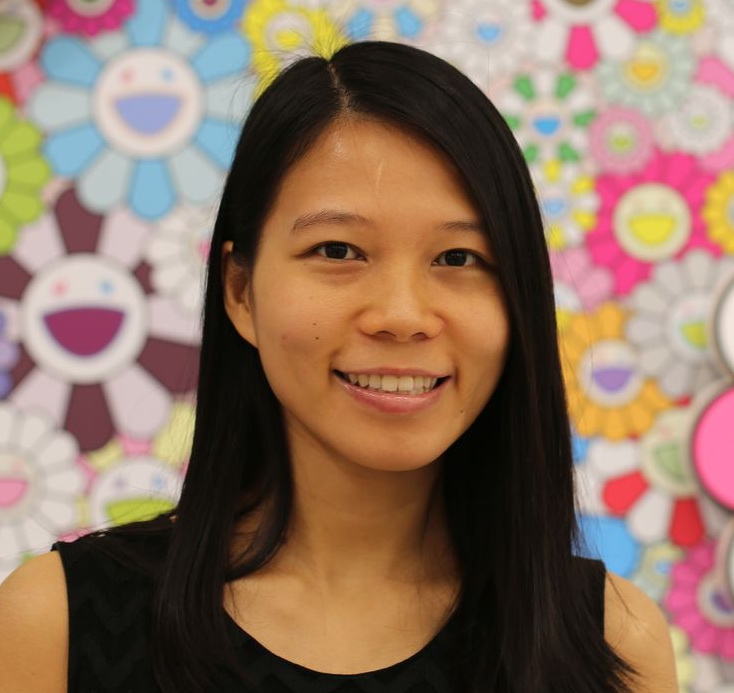
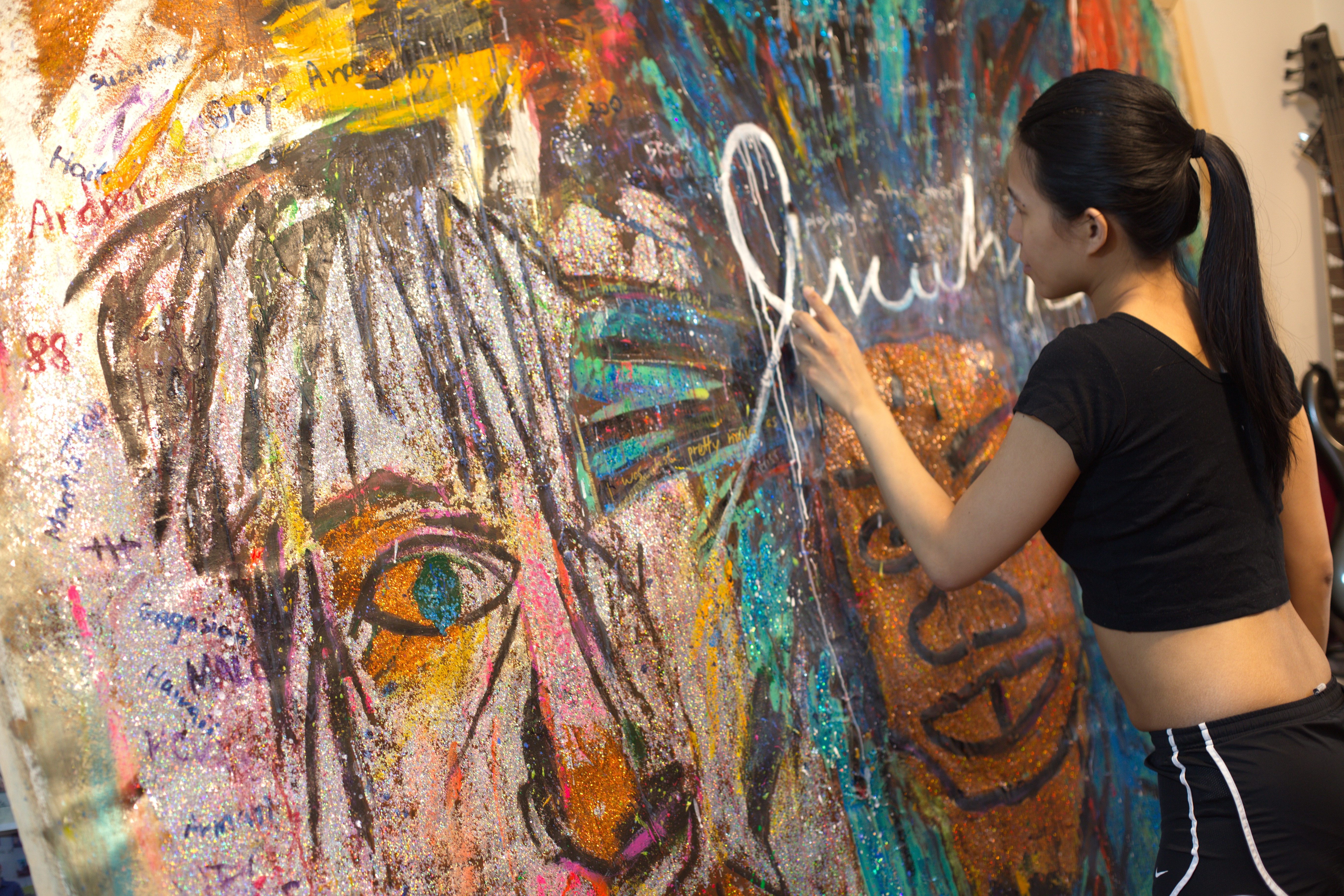
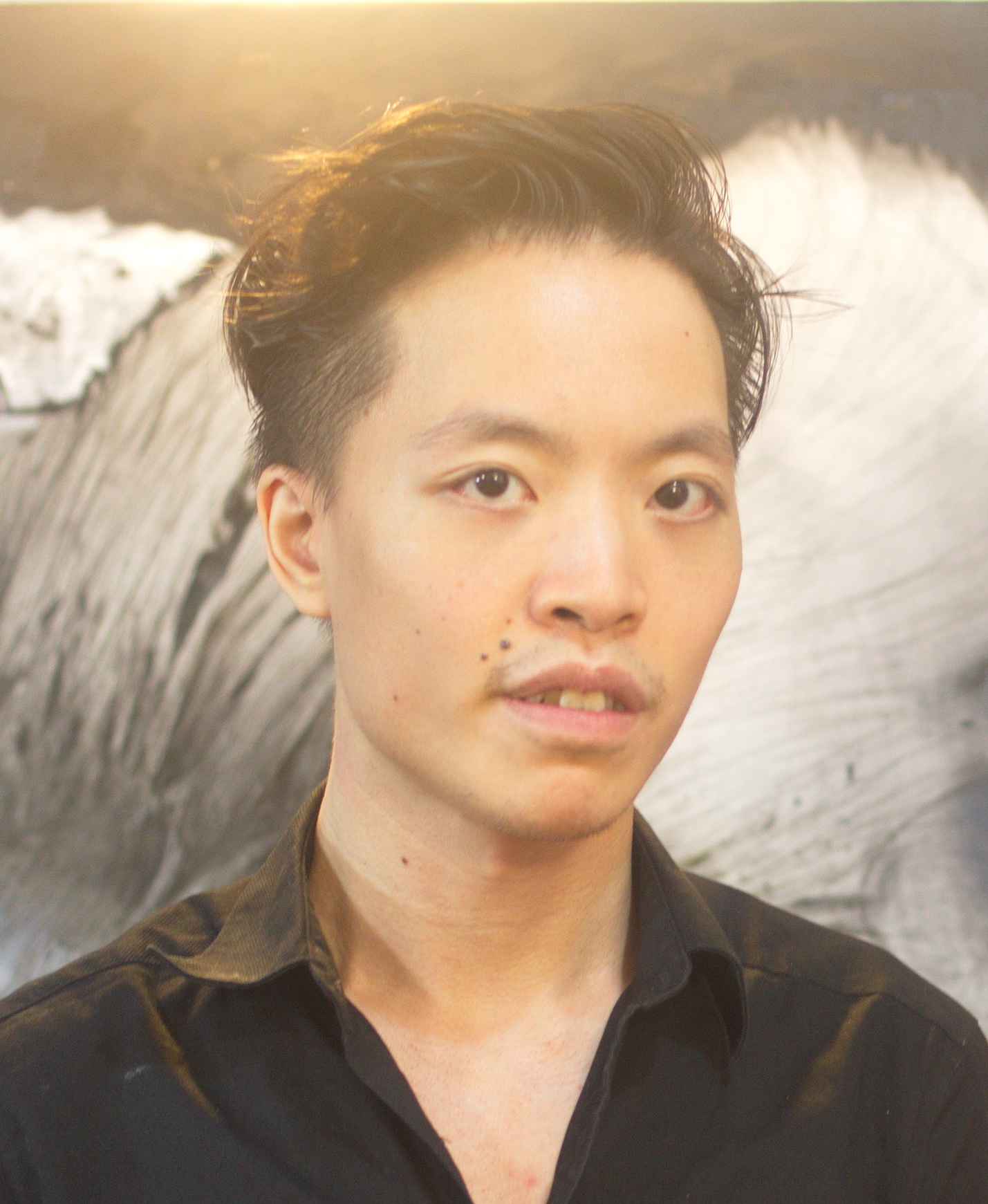
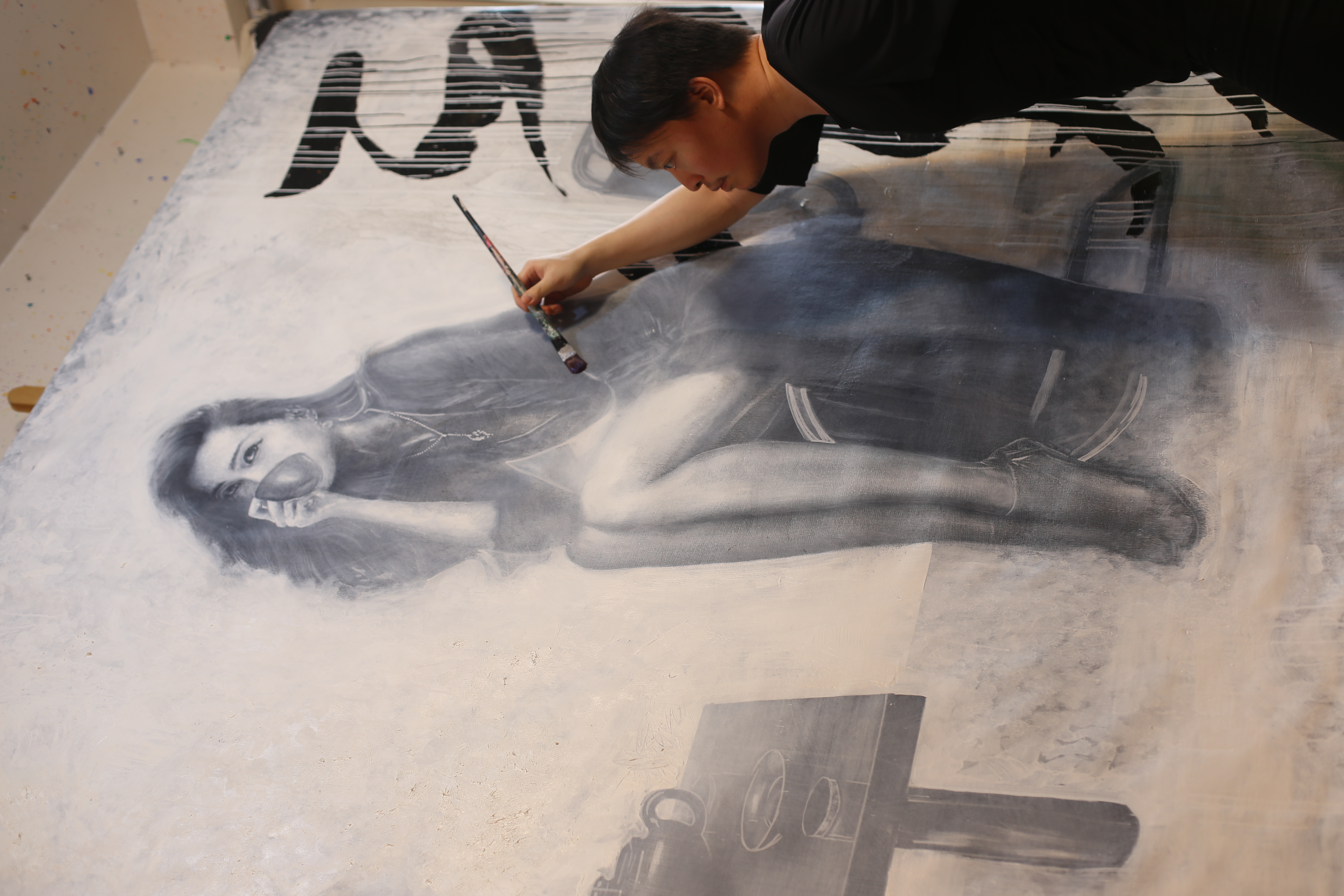
認識 Nature Art Workshop 嘅核心導師團隊——兩位導師都會親自授課:Michael Andrew Law 羅卓睿擔任畫室課程總監(Course Executive)同課程設計者(Course Designer);Miss Michelle 除咗統籌 Workshop 營運,亦會教成人、青少年同 one-to-one 兒童繪畫。畫室喺香港島炮台山。
我們最重視嘅教學理念:設計課程,一心以學員將來有百分之百創作自由(100% creative freedom)為終極目標——你想行當代語彙、玩現代主義實驗,又或者挑戰高難度寫實,都唔應該俾早期訓練「鎖死」。所以我哋用當代藝術同現代藝術嘅創意方法(contemporary & modern art creative methods)做起點,對準而家藝壇嘅品味、潮流同新興製作方式(new art-making methods);同時以Old Masters 技法(Renaissance studio craft)打底——材料用得啱唔啱,先至決定個創意落唔落到畫布。
市面上多數本地畫室或院校,通常只教到一邊:要不技法練得幾紮實,却對而家嘅藝術現場理解唔深——畫工進步咗,都未必知今日邊啲做法先算行得通;要不標榜創意、觀念夠前衛,却唔識點樣有效運用材料——想法留喺口頭,作品做唔到位。我哋兩邊一齊教;喺度學,你會同時得到兩邊嘅好處——跟得上當下,亦有真功夫托底。
點解選我哋?因為導師本身係稱職嘅藝術家,亦係藝術收藏家(art collectors)。收藏家嘅判斷,往往比策展人(curator)更貼地:策展偏重公開展覽嘅安排;收藏家就用真金白銀反覆試——邊啲作品真有熱誠、真有學問、真站得住;買錯就要自己埋單,呢個標準會直接變成你喺課堂上聽到嘅具體理由。
揀老師,其實就係揀邊個會喺課室入面真正做得到上面講嘅理念。下面直接對應兩位導師嘅分工:
一、點解由 Michael 以收藏家(art collector)身份設計課程? 課程總監決定教乜、教到幾深——如果決策者只熟自己早年學過嗰一種畫法,學員將來想轉寫實、轉當代,或者再上一層,往往會發現無下一階可以升。Michael 長年以收藏家身份比較、購藏唔同時期嘅作品,等於不斷用「件作品喺真實藝術世界站唔站得住」嚟檢驗創作;呢份判斷會直接寫入 syllabus,而唔係上堂淨係跟住畫。
二、點解 Michelle 要親自教,唔只做營運? 好多畫室「宣傳冊靚、時間表靚,真正上堂却係另一個助教」。我哋刻意讓 Workshop 統籌者都喺課室——由兒童 one-to-one 到成人班——確保你 WhatsApp 問嘢、或者報名時得到嘅承諾,同實際上堂節奏一致;對初學者同家長嚟講,呢份一致往往比任何口號更實在。Michelle 同時係註冊香港檢定教員同讀寫障礙導師,對需要額外學習支援嘅學員亦更有方法。
三、兩位導師共同跟住嘅底層係乜? 呼應返上面:當代/現代創意方法做起點,Old Masters 材料功底打底。喺 AI 年代,顏料厚薄、層次同修正一定要用手練,AI 代替唔到。喺呢個底之上,再按學員目標接入唔同語彙——由達文西(Leonardo da Vinci)、卡拉瓦喬(Caravaggio)、布格羅(William-Adolphe Bouguereau)、林布蘭(Rembrandt),到 Chuck Close、Gottfried Helnwein,以至 Jeff Koons、Andy Warhol、KAWS、陳逸飛、奈良美智(Yoshitomo Nara)等——唔係要你抄某一位,而係等你知道:跟呢兩位老師學,日後想行邊條路,材料同步驟都接得上。
Meet Nature Art Workshop's core teaching team—both instructors teach in the studio. Michael Andrew Law serves as Course Executive and Course Designer; Miss Michelle oversees workshop operations while teaching adults, teenagers, and one-to-one children's classes. Based in Fortress Hill, Hong Kong Island.
Our core teaching philosophy: we design every course with one endgame—100% creative freedom for students. Whether you later pursue contemporary idioms, modernist experiment, or high-threshold realism, early training should not lock you in. We therefore start from contemporary and modern art creative methods—today's taste, trends, and new art-making methods—while grounding instruction in Old Masters technique (Renaissance studio craft). Effective use of materials is what turns any idea into work that actually holds on canvas.
Most local studios and schools can only teach one side: either solid technique without deep grasp of the current art field—students improve craft but may not know what still works today; or creative, concept-led teaching without knowing how to use materials effectively—ideas stay verbal, work never lands. We do both; studying here gives you benefits at both ends—current relevance plus real craft underneath.
Why choose us? Our instructors are practising artists and art collectors. A collector's judgment is often closer to the real market than a curator's: curators organise public display; collectors test work with their own money—passion plus knowledge, repeated until only work that holds up remains. That standard becomes the concrete reasoning you hear in class.
Choosing instructors means choosing who will actually deliver that philosophy in the room. What follows maps to each role:
1. Why Michael designs courses as an art collector. The course executive decides what is taught and how far it goes. If that person knows only one early style, students who want realism, contemporary work, or higher difficulty often hit no clear next step. Michael has spent years comparing and acquiring work across eras—testing whether art holds up in the real world. That judgment is built into the syllabus, not reduced to copy-the-demo lessons.
2. Why Michelle teaches—not only runs operations. Many studios sell a polished programme but deliver a different assistant in class. We keep the workshop lead in the room—from one-to-one children to adult groups—so what we promise at enquiry matches what happens on the easel. For beginners and parents, that consistency matters more than slogans. Michelle is also a Registered Teacher in Hong Kong and a dyslexia and literacy difficulties tutor, with structured support for learners who need extra help with reading and writing.
3. What both instructors share underneath. As above: contemporary and modern creative methods as the starting point, Old Masters material craft as the base. In the AI era, paint thickness, layers, and correction must be trained by hand. On that base we connect idioms as goals require—from Leonardo da Vinci, Caravaggio, William-Adolphe Bouguereau, and Rembrandt, through Chuck Close and Gottfried Helnwein, to Jeff Koons, Andy Warhol, KAWS, Chen Yifei, and Yoshitomo Nara—not to copy one name, but so whichever path you choose later, materials and steps can connect.